DIY Cybersecurity Tips for Small Businesses


Understanding the Basics of Cybersecurity
In today's digital age, cybersecurity is not just a concern for large corporations. Small businesses are increasingly becoming targets for cyberattacks. Understanding the basics of cybersecurity can help protect your business from potential threats. It's critical to be aware of the common types of cyberattacks, such as phishing, malware, and ransomware.
Investing time in learning about these threats and implementing basic security measures can significantly reduce your risk. Let's explore some DIY cybersecurity tips that can help safeguard your small business.

Strong Password Policies
One of the simplest yet most effective ways to enhance your cybersecurity is by enforcing strong password policies. Encourage employees to create complex passwords that include a mix of uppercase and lowercase letters, numbers, and special characters.
Additionally, implement a policy to change passwords every few months. Consider using a password manager to store and manage complex passwords securely. This small step can make a big difference in protecting your sensitive data.
Regular Software Updates
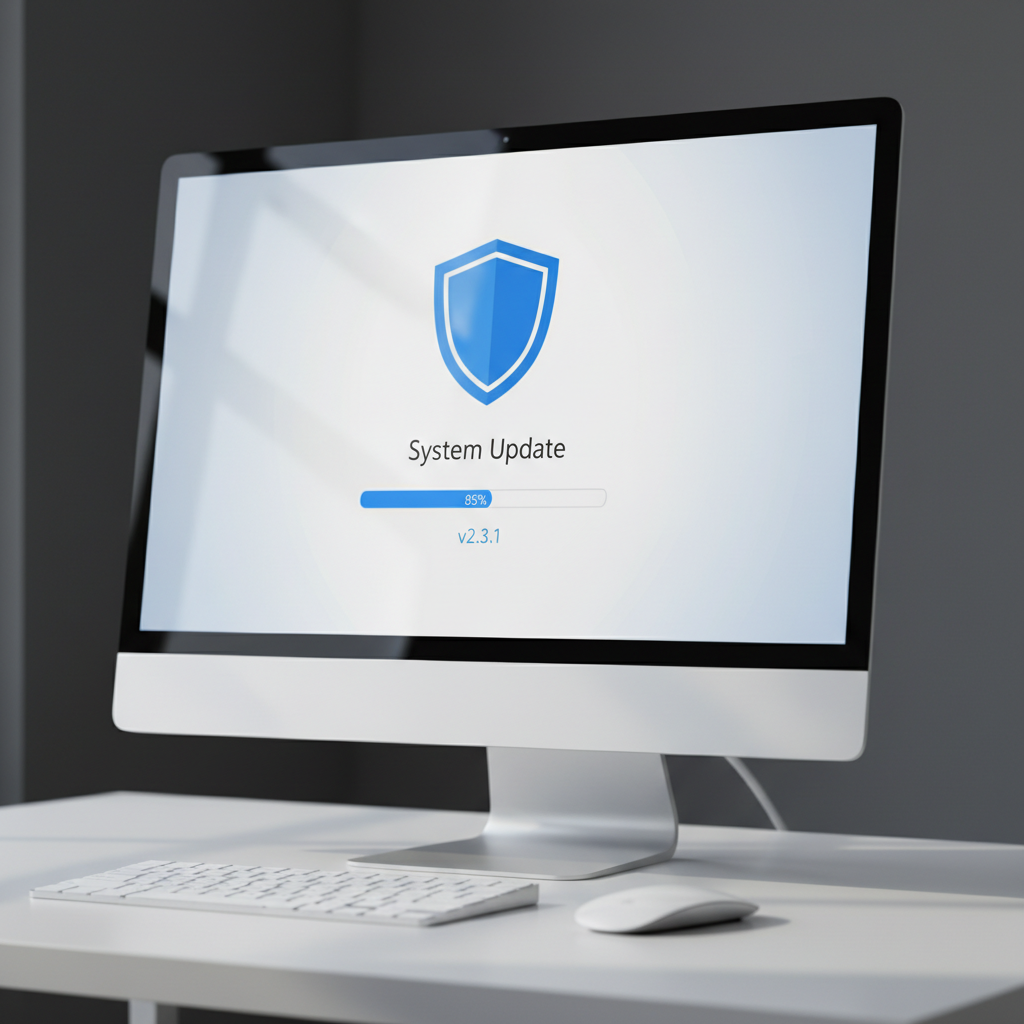
Keeping your software up-to-date is crucial in defending against cyber threats. Software updates often contain patches that fix security vulnerabilities. Ensure that all software, including operating systems and applications, are regularly updated to the latest versions.
Set up automatic updates wherever possible, and schedule regular checks to ensure that no updates have been missed. This proactive approach can prevent many potential security breaches.
Employee Training and Awareness
Your employees are often the first line of defense against cyber threats. Providing them with regular training on cybersecurity best practices is essential. Teach them how to recognize phishing emails and other common scams.
Encourage a culture of vigilance and open communication about potential threats. By keeping cybersecurity top of mind for everyone in the organization, you can create a more secure environment.
Implementing Firewalls and Antivirus Software
Firewalls act as a barrier between your internal network and external threats. Ensure that a robust firewall is installed and properly configured on all company devices. This can help filter out potentially harmful data before it enters your network.
In addition, install reliable antivirus software to detect and remove malicious software. Regularly update the antivirus software to keep it effective against new strains of malware.
Data Backup Strategies
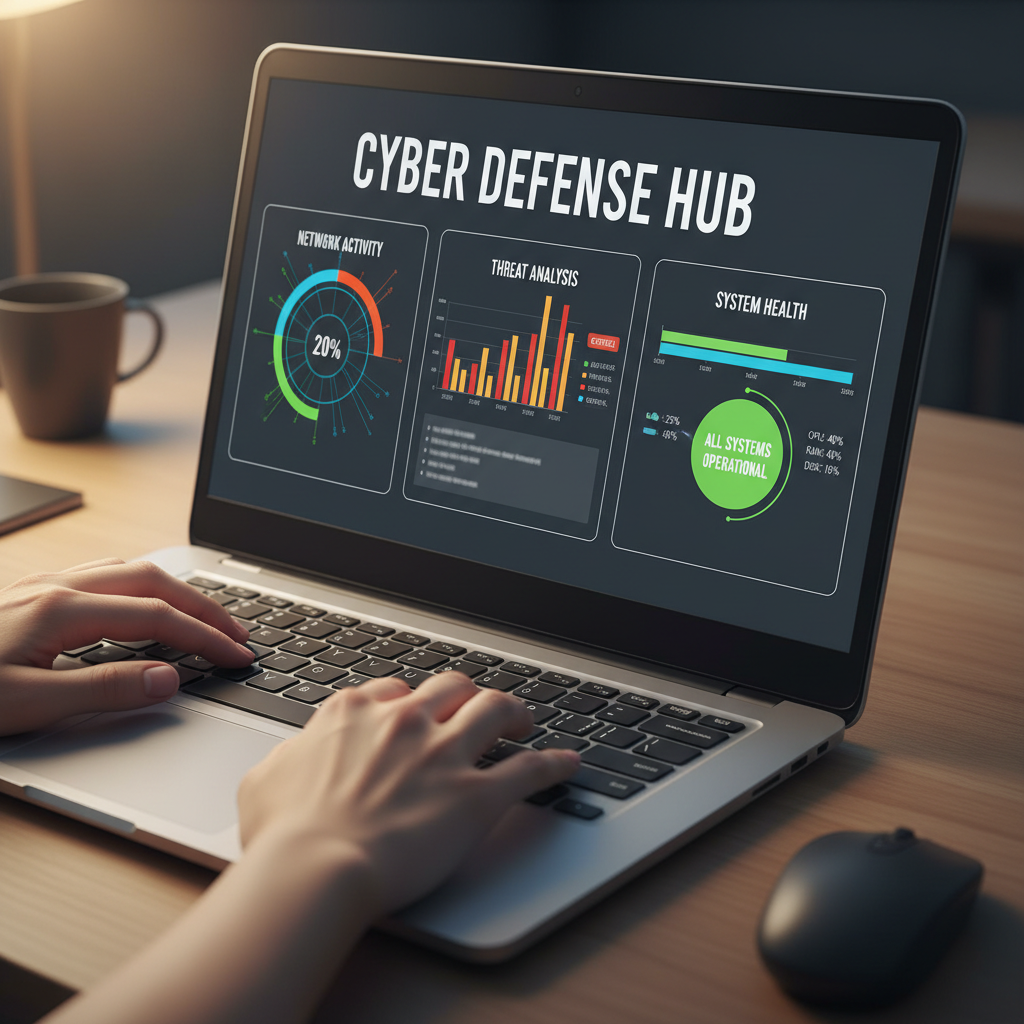
Data loss can be catastrophic for any business. Implementing a comprehensive data backup strategy is vital. Regularly back up all important data, and store it securely, preferably off-site or in the cloud.
Test your backup systems periodically to ensure that data can be restored quickly and accurately in case of a data breach or hardware failure. This ensures business continuity even in the face of a cyberattack.
Secure Wi-Fi Networks
Wi-Fi networks can be an entry point for cybercriminals if not properly secured. Change default router passwords and use strong encryption methods like WPA3. Limit access to the Wi-Fi network by creating a separate network for guests.
Regularly monitor the network for unauthorized devices and take immediate action if any are detected. Securing your Wi-Fi network is a fundamental step in protecting your business from cyber threats.
Final Thoughts
Cybersecurity is a continuous process that requires diligence and awareness. By implementing these DIY tips, small businesses can significantly enhance their security posture without the need for extensive resources.
Remember, the key to effective cybersecurity is staying informed and proactive. Regularly review and update your security measures to adapt to the ever-evolving threat landscape. With the right approach, small businesses can defend themselves against cyber threats and focus on growth and success.