DIY Cybersecurity: Simple Steps to Protect Your Business Online


Understanding the Importance of Cybersecurity
In today's digital age, protecting your business online is more crucial than ever. Cyber threats are constantly evolving, and small businesses are often prime targets due to their perceived lack of robust security measures. Implementing DIY cybersecurity can significantly reduce your risk, safeguarding your business information and reputation.

Assessing Your Current Security Measures
Before you begin enhancing your cybersecurity, it's essential to assess your current measures. Identify potential vulnerabilities by conducting a thorough audit of your systems. This includes reviewing your software, hardware, and any existing security protocols.
Once you've identified weak points, prioritize them based on the level of threat they pose. This will help you allocate resources effectively and address the most critical issues first.
Strengthening Password Policies
One of the simplest yet most effective ways to bolster your cybersecurity is by implementing strong password policies. Encourage employees to use complex passwords and change them regularly. Consider using password managers to store and manage credentials securely.

Implementing Two-Factor Authentication
Two-factor authentication (2FA) adds an extra layer of security by requiring a second form of verification in addition to a password. This can be a code sent to a mobile device or an authentication app. Implementing 2FA can significantly reduce the risk of unauthorized access.
Regular Software Updates
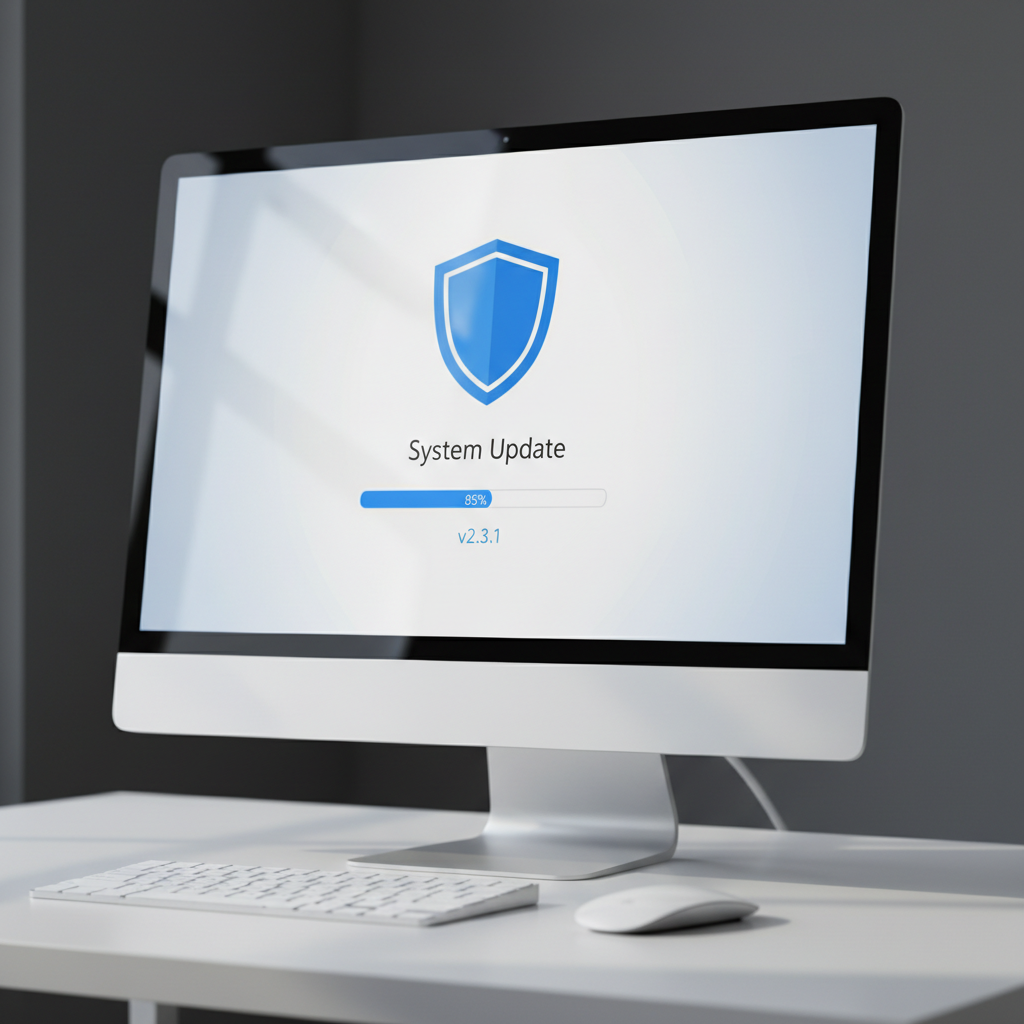
Keeping your software up to date is crucial for maintaining security. Software providers frequently release updates to patch vulnerabilities. Make it a habit to install updates as soon as they become available, especially for your operating systems, antivirus programs, and web browsers.
Educating Your Employees
Your employees are often the first line of defense against cyber threats. Conduct regular training sessions to educate them about the latest cybersecurity threats and best practices. This includes recognizing phishing attempts, using secure networks, and reporting suspicious activity.
Securing Your Network
Ensure your business network is secure by using a strong firewall and encrypting your Wi-Fi. Limit network access to authorized personnel only, and consider setting up a guest network for visitors. Regularly monitor network activity to detect any unusual behavior.
Backing Up Your Data
Regular data backups are essential for protecting your business from data loss due to cyberattacks. Use both onsite and offsite backups to ensure data redundancy. Schedule automated backups to minimize the risk of human error.

Conclusion: Taking a Proactive Approach
By taking these simple DIY cybersecurity steps, you can greatly enhance your business's online protection. Proactive measures not only safeguard your data but also build trust with your clients. Remember, cybersecurity is an ongoing process that requires regular updates and vigilance.